Retail Therapy Is Real: Why Shopping Actually Makes You Happier

We all know someone who jokes, “shopping is my love language.” Maybe that’s you. And honestly? They might be onto something.
Science (and your brain chemistry) suggest that retail therapy isn’t just a cute excuse. It’s literally your mind handing out a mini high five every time you tap checkout.
But before you use this as a license to blow half your rent on a midnight Shein spree, let’s pause. What’s actually going on in your head? Why does it feel so good? And at what point does “treat yourself” start looking like a stack of unopened boxes hiding under your bed?
What’s Happening in Your Brain When You Shop
Shopping isn’t really about the stuff. It’s about what the stuff makes you feel.
Dopamine = The “add to cart” hit
That rush when you finally grab the sneakers that were sold out last week? That’s dopamine talking. The same reward chemical fires when you smash a gym PR, bite into fresh puff puff, or see your post hit 200 likes. Your brain loves instant wins, and shopping delivers them fast.
Endorphins = Stress on mute
Even scrolling through deals can nudge your mood up a notch. That casual ASOS browse? Those “new arrivals” on Zara? Endorphins at work. It’s basically a quick holiday for your brain, no ticket required.
Distraction = A breather
Bad day at work? NEPA did its thing again? Opening a shopping app shifts your focus to colors, layouts, and possibilities. For a few minutes, the chaos outside goes quiet.
Identity = “This is me” in cart form
That quirky frog lamp you spotted on TikTok? Or the exact vintage sneakers you’ve wanted since JSS 2? Those picks feel personal. They’re not just purchases, they’re shorthand for who you are (or who you’re trying to be).
Visual candy
Let’s not pretend UI doesn’t play a role. Bright colors, crisp photos, smooth scrolling, it’s all engineered to be irresistible. Your brain eats it up like suya on a Friday night.
Retail Therapy vs. Shopping Addiction
Important distinction: retail therapy is not shopping addiction.
Retail therapy means you’ve had a long week, buy one hoodie, your mood lifts, and you move on.
Shopping addiction means you can’t stop. You’re broke, buying random stuff you don’t need, and hiding packages like contraband.
The line between them is control. Retail therapy feels intentional. Addiction feels like it’s running the show.
The Upside of Responsible Retail Therapy
Done right, shopping isn’t shallow at all. It can sneakily improve your life:
Mood lift:
That “your order is on the way” email might be the modern love letter.
Stress relief:
Browsing layouts beats doomscrolling terrible headlines.
Self-expression:
Your cart is basically your Pinterest board come alive.
Social bonding:
Group chats full of discount codes and cart screenshots? That’s community.
Achievement:
Finally saving for a PS5 and buying it, dopamine plus pride.
So yes, retail therapy works. The issue isn’t the therapy, it’s when your bank turns into the bad guy.
When It Crosses the Line
How do you know “treat yourself” has gone too far? Look for the red flags:
You’re dodging bills because of impulse buys.
Packages arrive so often it feels like you run a logistics company.
Shopping is your only coping mechanism.
You feel guilty right after buying but do it again anyway.
If that sounds familiar, it’s not retail therapy anymore. It’s something heavier.
How to Shop Without the Regret Hangover
Let’s be real: none of us are giving up shopping. The trick is keeping it in check:
Set a treat budget. Therapy, not chaos.
Save first, spend later. The anticipation makes it sweeter.
Buy what actually matters (spoiler: random flash sale mugs rarely do).
Avoid debt. No dopamine hit survives credit card stress.
Use tools that work for you (a USD card that doesn’t betray you at checkout, for example 👀).
When Your Bank Becomes the Villain
Here’s the real heartbreak: you’ve built the perfect cart, already picturing the unboxing. Then, declined.
Not because you’re broke. But because your bank card refuses international payments. Or the FX rate feels like robbery. Or worse, some hidden fee pops up like a jump scare. Suddenly, the “therapy” gives you high blood pressure instead.
Enter Myaza: Retail Therapy Without Retail Stress
That’s literally why we built Myaza. Shopping should feel fun, not like a boss fight with your bank.
Here’s how Myaza fixes the mood killers:
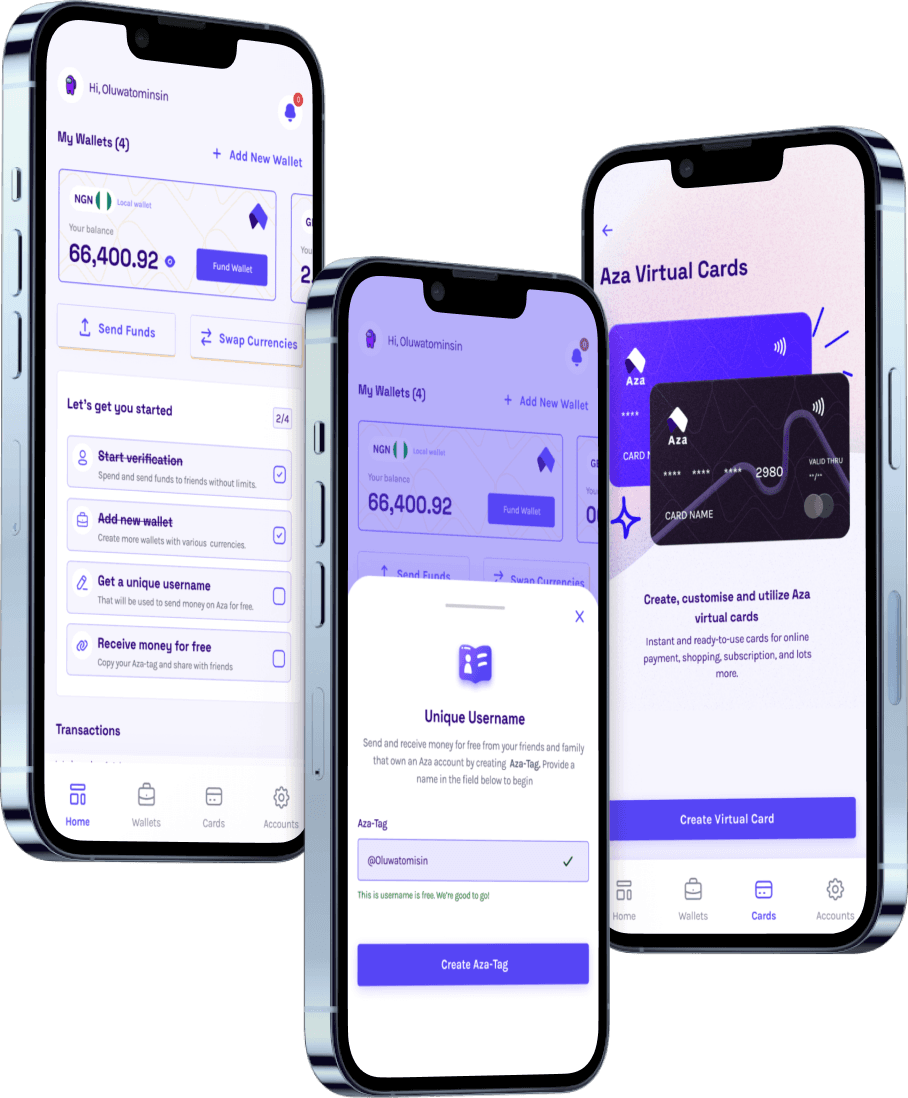
USD virtual cards that actually work.
Netflix, Shein, Amazon, if they want dollars, you’ve got dollars.
Instant swaps.
Convert naira to dollars in seconds. No shady middlemen, no waiting.
Smart wallets.
Juggle currencies, save for splurges, and still cover your everyday stuff.
With Myaza, the only drama left is deciding which sneakers to cop, not whether your card will betray you.
The Bottom Line
Retail therapy is legit. Science says so. Your brain agrees. And honestly, your cart proves it.
But none of that matters if you can’t even check out.
So go ahead, add to cart, hit buy, and enjoy the dopamine rush. Myaza’s got the money side handled. The only thing left to debate is whether you really needed that frog lamp. (Spoiler: yes, you did.)
Because shopping should spark joy, not declined